
FODMAP Diet: Complete Guide for IBS and SIBO
The FODMAP diet is one of the most evidence-backed nutritional interventions for irritable bowel syndrome (IBS) and is widely used as supportive therapy during SIBO treatment. But it is also one of the most misapplied — people stay on it indefinitely, use it as a weight-loss tool, or confuse it with a gluten-free diet. This guide explains exactly what FODMAPs are, how the three-phase protocol works, and who should — and should not — use this approach.
What are FODMAPs?
FODMAP is an acronym for Fermentable Oligosaccharides, Disaccharides, Monosaccharides And Polyols — a collection of short-chain carbohydrates that are poorly absorbed in the small intestine. When they reach the large intestine, gut bacteria ferment them rapidly, producing gas and drawing water into the colon. In people with IBS or SIBO, this process triggers symptoms: bloating, distension, abdominal pain, diarrhoea, or constipation.
The five FODMAP groups
- Fructans (Oligosaccharides): wheat, rye, garlic, onion, leek, artichoke, asparagus
- Galacto-oligosaccharides (GOS): legumes (lentils, chickpeas, kidney beans), cashews, pistachios
- Lactose (Disaccharides): cow’s milk, soft cheeses, yoghurt, ice cream
- Excess fructose (Monosaccharides): honey, apple, pear, mango, watermelon, high-fructose corn syrup
- Polyols: stone fruits (peach, plum, cherry, nectarine), avocado (large portions), cauliflower, mushrooms, sweeteners ending in “-ol” (sorbitol, mannitol, xylitol)
The three-phase protocol
The FODMAP diet, developed by Monash University (Australia), follows a structured three-phase approach. It is not a permanent dietary pattern — the goal is to identify your individual tolerance, not to eliminate FODMAPs forever.
Phase 1: Elimination (4–8 weeks)
All high-FODMAP foods are removed from the diet for 4–8 weeks. This is the diagnostic phase — if symptoms improve significantly (70–75% of IBS patients respond in clinical trials), FODMAPs are likely contributing to your symptoms. If there is no improvement, IBS may have another driver, or the elimination was incomplete.
This phase should be supervised by a FODMAP-trained nutritionist. The list of restricted foods is extensive and counterintuitive (garlic and onion are high-FODMAP; many processed “gluten-free” foods are too). Going solo substantially increases the risk of nutritional deficiency and dietary error.
Phase 2: Reintroduction (8–12 weeks)
This is the most important phase — and the one most people skip. Each FODMAP subgroup is systematically reintroduced one at a time, in increasing portions over 3-day test windows, to identify exactly which groups trigger symptoms and at what threshold.
Without Phase 2, you remain unnecessarily restricted. The reintroduction typically reveals that most people with IBS tolerate several FODMAP groups without symptoms — their problem is specific to one or two subgroups at higher doses.
Phase 3: Personalisation (ongoing)
Based on the results of Phase 2, a long-term personalised diet is designed. This includes all tolerated foods — the majority of foods for most people — and limits only the specific FODMAP subgroups at doses that cause symptoms. This is a flexible, sustainable eating pattern, not a permanent restriction diet.
“Most of my patients arrive having done Phase 1 for six months and then given up. They suffered unnecessarily from a very restricted diet and never got to the reintroduction that would have told them they could eat garlic again. The low-FODMAP diet is supposed to set you free — not trap you.” — Taissa Castello, nutritionist (CRN-4 25106120)
FODMAP diet for SIBO
The FODMAP diet is widely used during SIBO treatment, but its role is supportive — not curative. By reducing fermentable substrates, it limits the “fuel” available to overgrown bacteria, reducing gas production and symptom severity during and after antibiotic therapy.
Critically: the FODMAP diet does not eradicate the bacterial overgrowth. Treatment requires antibiotic therapy (such as rifaximin, with or without neomycin for IMO) prescribed by a gastroenterologist. Once the overgrowth is treated, the FODMAP restrictions can typically be relaxed progressively.
Reconheceu sua situação neste artigo?
Atendo online para todo o Brasil. Agende sua avaliação inicial e comece o acompanhamento especializado.
Agendar consultaFor the full SIBO treatment picture, read: SIBO: Complete Guide for International Patients.
Who should NOT follow the FODMAP diet
- People without a diagnosed gut condition: the FODMAP diet is a therapeutic tool, not a healthy eating plan. Its restriction of prebiotics can negatively affect gut microbiota diversity if followed long-term without clinical indication.
- People with eating disorders or a history of restrictive eating: the detailed food restriction can reinforce disordered eating patterns.
- People with malnutrition or very low weight: the diet reduces caloric and nutrient intake from restricted foods; medical supervision is essential.
- Children, pregnant, and breastfeeding women: only under specialist supervision, with careful nutritional monitoring.
Common FODMAP mistakes
- Treating it as a gluten-free diet: wheat is high-FODMAP due to fructans, not gluten. Gluten-free bread may still be high-FODMAP (often contains apple or pear concentrate, honey, or chicory root). The two diets have overlap but are not the same.
- Staying in Phase 1 indefinitely: the elimination phase is designed to be temporary. Long-term low-FODMAP eating reduces microbiome diversity and can cause nutritional gaps.
- Portion blindness: FODMAP tolerance is dose-dependent. Many foods are “safe” in a small portion but high-FODMAP in a larger one. The Monash FODMAP app (iOS/Android) provides portion-specific guidance.
- Ignoring cooking methods: boiling vegetables in water and discarding the water removes some FODMAPs. Garlic-infused oil (made by frying garlic and removing the cloves) is low-FODMAP — fructans do not transfer to oil.
Frequently asked questions
Is the FODMAP diet the same as a gluten-free diet?
No — the two diets overlap in places but rest on entirely different mechanisms. The low-FODMAP diet restricts fermentable carbohydrates that draw water into the gut and are rapidly fermented by bacteria, causing gas and bloating in sensitive individuals; wheat is restricted mainly because of its fructan content, a type of FODMAP, not because of gluten itself. A gluten-free diet, by contrast, removes gluten protein specifically because it triggers an autoimmune reaction in celiac disease. This means gluten-free products are not automatically low-FODMAP — many gluten-free breads and flours are made with high-FODMAP ingredients like inulin, chicory root, or excess fruit puree. A person with both celiac disease and FODMAP sensitivity, which is not uncommon, may need to follow both diets simultaneously, a considerably more complex undertaking that carries a real risk of nutritional gaps if done without guidance. Specialist nutritional support is strongly recommended in that situation to keep the diet both safe and adequate.
How quickly does the FODMAP diet work?
Most people who are going to respond to the low-FODMAP diet notice meaningful symptom improvement within 2-4 weeks of starting the strict elimination phase, though some notice changes within just a few days. This elimination phase should not be extended indefinitely: research supports keeping it to a maximum of 6-8 weeks, both because the diet is restrictive enough to risk nutrient and fibre inadequacy over time, and because it can affect the diversity of the gut microbiome if prolonged unnecessarily. If there is no significant improvement after 6-8 weeks of genuinely strict compliance, FODMAPs are unlikely to be the primary driver of your symptoms, and it is time to investigate other causes with your doctor rather than continuing to restrict. For those who do respond, the next step is a structured reintroduction phase, which identifies your personal trigger foods and thresholds so the long-term diet can be as varied as possible.
Can I follow the FODMAP diet without seeing a nutritionist?
You can attempt it independently, but outcomes are typically poorer and the risk of nutritional inadequacy is meaningfully higher, particularly during a prolonged elimination phase. A FODMAP-trained nutritionist adds value at every stage: ensuring the elimination phase remains nutritionally complete despite removing many common foods, guiding the systematic reintroduction phase, which is the step most people either skip or do incorrectly, leading to unnecessary long-term restriction, and personalising the final maintenance diet around your specific triggers rather than a generic list. The Monash University FODMAP app, developed by the researchers who pioneered the diet, is a genuinely reliable self-guided tool for identifying which foods are low, moderate, or high-FODMAP during Phase 1. Reintroduction, however, is difficult to structure correctly alone, since it involves testing individual FODMAP subgroups in a specific sequence with adequate washout periods. If self-guided elimination has helped, consider booking a consultation before reintroduction to avoid over-restricting long-term.
Is coffee low-FODMAP?
Plain black coffee — filter-brewed or espresso — is considered low-FODMAP at typical serving sizes, up to about 250 ml or a standard espresso shot, so most coffee drinkers do not need to eliminate it during the low-FODMAP diet. The FODMAP content changes with what you add to it. Cow’s milk becomes a problem because of its lactose content, a well-known FODMAP that many people with digestive sensitivity struggle to fully digest; switching to lactose-free milk or a suitable plant-based alternative resolves this easily. Among plant milks, oat milk is fine as long as it does not contain chicory root, which is frequently added as a sweetener and is very high-FODMAP, and almond milk is acceptable in small serving amounts. Chicory-based coffee substitutes, sometimes marketed as coffee alternatives, should generally be avoided altogether, since chicory root is one of the most concentrated FODMAP sources used in food.
Read also: SIBO: Complete Guide | The Gut-Brain Connection | Autoimmune Disease and Nutrition | Celiac Disease Guide
Looking for personalised nutrition support?
I’m a specialist nutritionist in gut health and celiac disease, offering online consultations worldwide. Book a consultation →
Medical disclaimer: This article is for educational and informational purposes only. It does not replace a medical or nutritional consultation. Taissa Castello is a registered nutritionist (CRN-4 25106120) — this content does not constitute medical advice. Always consult your physician and a qualified nutritionist before making health decisions.
Última revisão por Taissa Castello, nutricionista CRN-4 25106120, em 10/07/2026.
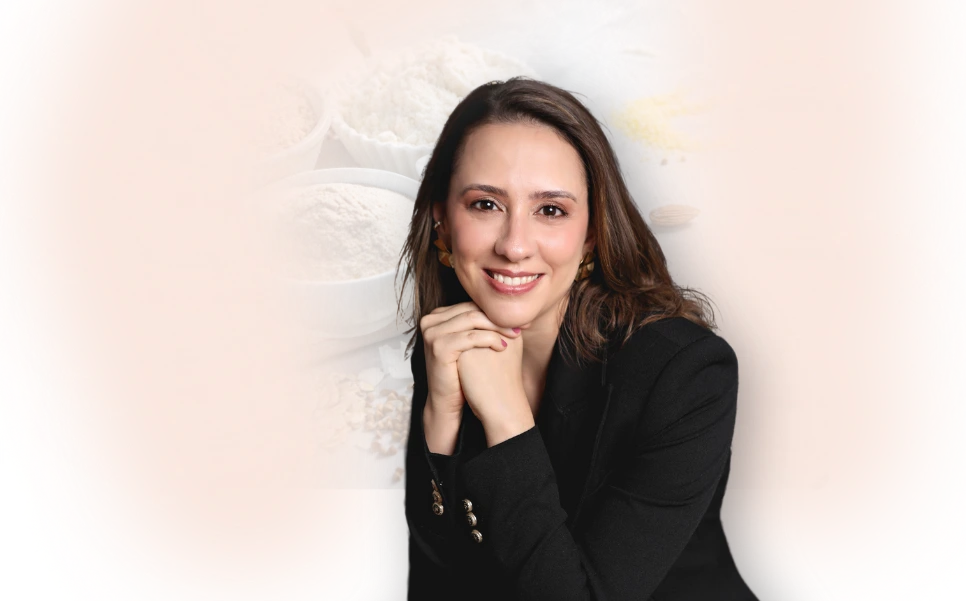
Especializada em doença celíaca, SIBO, doenças autoimunes e saúde da mulher. Celíaca há 9 anos. Atende 100% online para todo o Brasil.