

Gluten-Free Living Abroad: A Practical Guide for Brazilians with Celiac Disease
Moving to another country is challenging enough. Doing it with celiac disease adds an entirely different layer of complexity: new food labels to decipher, unfamiliar ingredients, the loss of your trusted “safe” products, and the constant anxiety of eating in a language you might not fully master. As a Brazilian nutritionist with celiac disease, I’ve navigated this world — and I’ve helped dozens of patients do the same. Here’s your practical guide to gluten-free living abroad.
By Taissa Castello, registered nutritionist CRN-4 25106120, specialized in celiac disease, food allergies, and gut health.
The first weeks: building your new safe-food map
When you arrive in a new country, your first task is to rebuild your mental map of safe foods. In Brazil, you probably had it down — which brands, which bakeries, which restaurants. Abroad, you start from zero.
- Find your local health food store: In the US, Whole Foods and Trader Joe’s have extensive GF sections. In the UK, Sainsbury’s Free From range is excellent. In Europe, look for organic/bio stores
- Locate Brazilian/Latin stores: They carry polvilho, tapioca flour, farofa, and other naturally GF Brazilian staples
- Download the right apps: Monash FODMAP, Find Me Gluten Free, and Yummly (for GF recipes)
- Join local celiac communities: Coeliac UK, Beyond Celiac (US), Coeliac Australia — they offer restaurant guides, product lists, and support
Kitchen setup: preventing cross-contamination at home
If you share a kitchen with non-celiac housemates or family members, cross-contamination prevention is essential:
- Dedicated toaster: Gluten particles cannot be fully cleaned from a shared toaster. Buy your own
- Separate cutting boards: Color-code them. Wooden boards absorb gluten and are impossible to fully clean
- Separate colanders and cooking utensils: Plastic and silicone retain residues in scratches
- Dedicated shelf/cabinet: Store your GF products separately to avoid accidental mix-ups
- Shared condiments: Use squeeze bottles (not jars) for butter, jam, peanut butter — or keep separate containers. A knife that touched bread and goes back into the butter jar contaminates it
- Clean surfaces before cooking: Wipe down counters, stovetops, and handles
“I tell my patients — because I’m celiac myself, so I understand the difficulty they’re going through — it’s a learning process. You can’t change 100% of everything overnight. First, you need to change things at home. If the house won’t be 100% gluten-free, how will you separate your things from the ones that have gluten?”
— Taissa Castello, PodIgest Ep. 7
Eating out: country-by-country guide
United States
- FDA “gluten-free” label means <20ppm — reliable when present
- Many chain restaurants have GF menus (Outback, P.F. Chang’s, Chipotle)
- Be cautious with “gluten-friendly” (Domino’s uses this — it does NOT mean safe for celiacs)
- Mexican food is often naturally GF (corn tortillas, beans, rice) — but confirm corn tortillas are 100% corn
United Kingdom
- One of the best countries for celiacs. Coeliac UK’s Crossed Grain symbol is gold standard
- Supermarket Free From sections are extensive (Sainsbury’s, Tesco, M&S)
- Many restaurants train staff in allergen awareness (Allergen Regulations 2014)
- Gluten-free prescriptions available on NHS (for diagnosed celiacs)
Europe (EU)
- Italy is a celiac paradise — the AIC (Italian Celiac Association) certifies restaurants, and GF options are everywhere
- Spain: growing awareness, but traditional tapas culture relies heavily on bread and wheat
- Germany: good labeling, wide availability of GF products in DM and Reformhaus stores
- Portugal: familiar cuisine to Brazilians, and many traditional dishes are naturally GF (bacalhau, arroz, batata)
Australia / New Zealand
- Strictest GF standard in the world — no detectable gluten allowed for “gluten-free” label
- Excellent awareness and many dedicated GF restaurants/bakeries
- Coeliac Australia provides comprehensive resources
Travel tips for celiac Brazilians
- Carry a translation card: A card in the local language explaining celiac disease (not just “I don’t eat gluten” — explain the autoimmune severity). Sites like CeliacTravel.com offer free downloadable cards in 50+ languages
- Pack emergency food: GF bars, crackers, or tapioca for flights and long transfers
- Research before you go: Google “celiac + [destination]” and check Find Me Gluten Free for restaurant reviews
- Airline meals: Most airlines offer GF meals if requested 48+ hours ahead. Quality varies wildly — bringing your own backup is wise
- Accommodation: Book places with kitchen access when possible. Cooking your own food is the safest option
The emotional side: food anxiety and social isolation
Let’s talk about what nobody warns you about: the emotional toll of celiac disease abroad. Missing family gatherings where you can’t eat anything. Declining dinner invitations because you’re afraid of getting sick. Feeling like a burden when friends have to change restaurant plans for you.
“At the beginning of diagnosis, this hypervigilance is very common. But when it becomes a constant pattern with anxiety, isolation, and guilt, we’re talking about a possible celiac hypervigilance. What solves it: knowledge, and professional support that teaches you to identify what actually represents a risk and what doesn’t.”
— Taissa CastelloReconheceu sua situação neste artigo?
Atendo online para todo o Brasil. Agende sua avaliação inicial e comece o acompanhamento especializado.
Agendar consulta
This is normal — and it gets better with time, knowledge, and support. If food anxiety is significantly affecting your quality of life, consider speaking to a mental health professional who understands chronic dietary restrictions, in addition to your nutritionist.
When to seek help
If you’re struggling with any of these, a specialized nutritionist can help:
- Persistent GI symptoms despite strict GF diet
- Unexplained nutritional deficiencies on blood work
- Difficulty finding safe foods in your new country
- Weight loss or inability to gain weight
- Food anxiety, orthorexia, or social isolation around meals
- Suspected SIBO or other overlapping conditions
I offer teleconsultations in Portuguese for Brazilians worldwide. Whether you’re in Lisbon, London, Sydney, or São Paulo, we can work together to build a safe, nutritious, and enjoyable gluten-free life — wherever you are.
References
- Rubio-Tapia A, et al. ACG Clinical Guideline: Diagnosis and Management of Celiac Disease. Am J Gastroenterol. 2023;118(1):59-76.
- Coeliac UK. Gluten Free Certification Programme. 2024.
- Food Standards Australia New Zealand. Standard 1.2.7 — Nutrition, Health and Related Claims. 2023.
- EU Regulation 1169/2011. On the provision of food information to consumers.
- Catassi C, et al. A prospective, double-blind, placebo-controlled trial to establish a safe gluten threshold. Am J Clin Nutr. 2007;85(1):160-166.
Read also:
- Celiac Disease: Complete Guide
- Doença Celíaca: Guia Completo (Português)
- Contaminação Cruzada por Glúten
- Book a Consultation
Disclaimer: This article is for informational and educational purposes only. It does not replace consultation, diagnosis, or treatment by a qualified healthcare professional. Read our full disclaimer.
Última revisão por Taissa Castello, nutricionista CRN-4 25106120, em 16/04/2026.
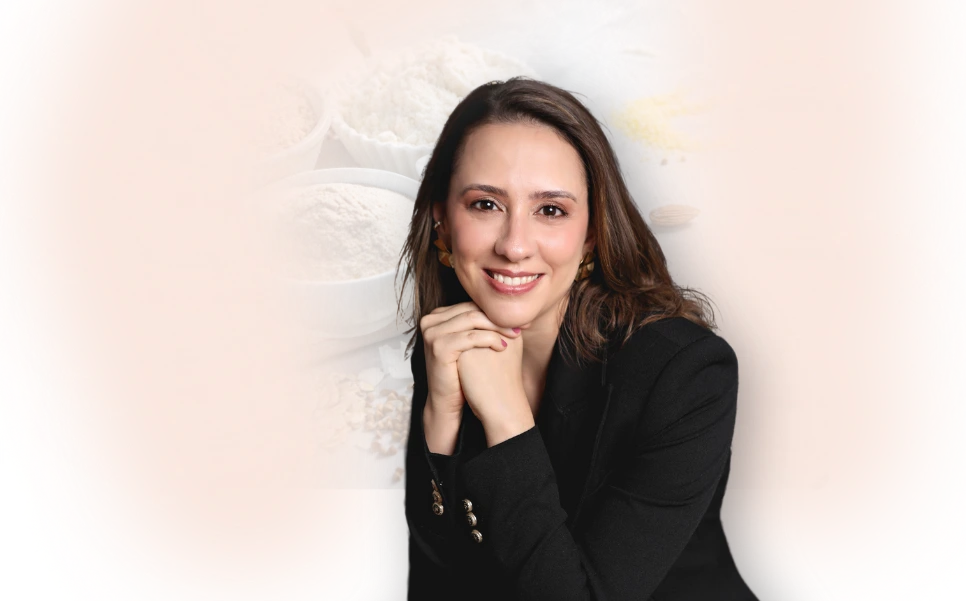
Especializada em doença celíaca, SIBO, doenças autoimunes e saúde da mulher. Celíaca há 9 anos. Atende 100% online para todo o Brasil.


