

SIBO Treatment: Evidence-Based Nutrition Protocols That Actually Work
Small Intestinal Bacterial Overgrowth (SIBO) is one of the most common — and most frustrating — causes of chronic bloating, gas, diarrhea, and abdominal pain. If you’ve been diagnosed with IBS but nothing seems to help, SIBO may be the underlying cause. The good news: with the right approach, SIBO is treatable. The challenge: it requires a systematic, evidence-based protocol — not random supplement stacking or extreme elimination diets.
By Taissa Castello, Registered Dietitian CRN-4 25106120, specialized in SIBO, gut health, and functional clinical nutrition.
What Is SIBO?
SIBO occurs when bacteria that normally live in the large intestine migrate upward and overpopulate the small intestine. These bacteria ferment carbohydrates in the wrong location, producing excessive hydrogen, methane, or hydrogen sulfide gas — leading to the classic symptoms of bloating, distension, altered bowel habits, and malabsorption (Pimentel et al., 2020).
There are three main subtypes based on the dominant gas produced:
- Hydrogen-dominant SIBO — typically associated with diarrhea
- Methane-dominant (IMO) — associated with constipation (now called Intestinal Methanogen Overgrowth)
- Hydrogen sulfide SIBO — associated with diarrhea + sulfur-smelling gas
Each subtype responds differently to treatment, which is why a one-size-fits-all approach rarely works.
The Three Phases of SIBO Treatment
Effective SIBO management follows a structured approach. As a specialist, I work with patients through all three phases:
Phase 1: Eradication
The goal is to reduce the bacterial overgrowth. Options include:
- Antibiotic therapy — Rifaximin (hydrogen SIBO) or Rifaximin + Neomycin/Metronidazole (methane). Prescribed by a physician.
- Herbal antimicrobials — berberine, oregano oil, allicin, neem. Research shows comparable efficacy to Rifaximin in some cases (Chedid et al., 2014).
- Elemental diet — a 2-3 week liquid diet that starves bacteria while nourishing the patient. 80-85% effective but difficult to sustain (Pimentel et al., 2004).
My role during this phase: designing an appropriate dietary protocol that supports eradication while preventing excessive weight loss and nutrient depletion.
Phase 2: Repair & Reintroduction
Once gas levels normalize on a follow-up breath test, we shift to intestinal repair:
- Graduated food reintroduction — systematically reintroducing FODMAPs and fermentable fibers to identify personal tolerance thresholds
- Gut lining support — targeted nutrients like L-glutamine, zinc carnosine, and butyrate where indicated
- Digestive support — digestive enzymes or HCl supplementation if needed
- Microbiome diversification — strategic prebiotic and probiotic introduction
Phase 3: Prevention (The Most Important Phase)
SIBO has a high recurrence rate — up to 44% within 9 months without preventive strategies (Lauritano et al., 2008). This is where most treatment plans fail. Prevention requires addressing the root cause:
Reconheceu sua situação neste artigo?
Atendo online para todo o Brasil. Agende sua avaliação inicial e comece o acompanhamento especializado.
Agendar consulta- Prokinetic therapy — supporting the Migrating Motor Complex (MMC) that sweeps bacteria from the small intestine during fasting
- Meal spacing — allowing 4-5 hours between meals for MMC activation
- Identifying underlying causes — adhesions, hypothyroidism, diabetes, medications (PPIs, opioids), structural issues
- Stress management — the gut-brain axis directly affects motility
- Appropriate fiber intake — enough to support a healthy microbiome, but not so much that it feeds overgrowth
Dietary Protocols for SIBO
Low FODMAP Diet
The most researched dietary intervention for SIBO symptoms. FODMAPs (Fermentable Oligosaccharides, Disaccharides, Monosaccharides, And Polyols) are carbohydrates that feed bacteria in the small intestine. The Low FODMAP protocol has three phases: elimination (2-6 weeks), reintroduction (6-8 weeks), and personalization (lifelong). It’s NOT meant to be permanent — that’s a common mistake (Halmos et al., 2014).
Biphasic Diet (Dr. Nirala Jacobi)
A SIBO-specific protocol that combines low FODMAP principles with a phased approach: Phase 1 is more restrictive (reducing bacterial food supply during eradication), Phase 2 gradually liberalizes as treatment progresses.
Specific Carbohydrate Diet (SCD)
Eliminates all complex carbohydrates. More restrictive than Low FODMAP and harder to sustain long-term, but some patients respond better to this approach — particularly those with concurrent IBD.
My approach: I don’t default to the most restrictive protocol. I assess each patient’s subtype, severity, history, and lifestyle to select the minimum effective restriction. The goal is always to expand the diet as quickly as safely possible.
Common Mistakes in SIBO Treatment
- Staying on elimination diets too long — prolonged restriction starves beneficial bacteria and can worsen dysbiosis
- Ignoring the root cause — treating SIBO without addressing WHY it developed guarantees recurrence
- Random supplement stacking — taking every “gut health” supplement without a clear rationale
- Not retesting — how do you know treatment worked if you don’t repeat the breath test?
- Treating based on symptoms alone — symptoms overlap with many conditions (celiac disease, IBD, endometriosis). Get a proper diagnosis first.
When to See a SIBO Specialist
Consider working with a specialist if:
- You’ve been diagnosed with IBS but aren’t improving with standard treatment
- You have a positive breath test and want a structured dietary protocol
- You’ve treated SIBO before but it keeps coming back
- You’re losing weight or developing nutrient deficiencies on a restricted diet
- You feel overwhelmed by conflicting online information
Work With Me
I offer online SIBO nutrition consultations worldwide — in English and Portuguese.
References
- Pimentel M, et al. ACG Clinical Guideline: Small Intestinal Bacterial Overgrowth. Am J Gastroenterol. 2020;115(2):165-178.
- Rezaie A, et al. Hydrogen and Methane-Based Breath Testing in Gastrointestinal Disorders: The North American Consensus. Am J Gastroenterol. 2017;112(5):775-784.
- Chedid V, et al. Herbal therapy is equivalent to rifaximin for the treatment of small intestinal bacterial overgrowth. Glob Adv Health Med. 2014;3(3):16-24.
- Pimentel M, et al. A 14-day elemental diet is highly effective in normalizing the lactulose breath test. Dig Dis Sci. 2004;49(1):73-77.
- Lauritano EC, et al. Small intestinal bacterial overgrowth recurrence after antibiotic therapy. Am J Gastroenterol. 2008;103(8):2031-2035.
- Halmos EP, et al. A diet low in FODMAPs reduces symptoms of irritable bowel syndrome. Gastroenterology. 2014;146(1):67-75.
Medical disclaimer: This content is for educational purposes only. SIBO diagnosis and antibiotic prescription require a qualified physician. Nutritional protocols should be supervised by a specialist dietitian.
Última revisão por Taissa Castello, nutricionista CRN-4 25106120, em 16/04/2026.
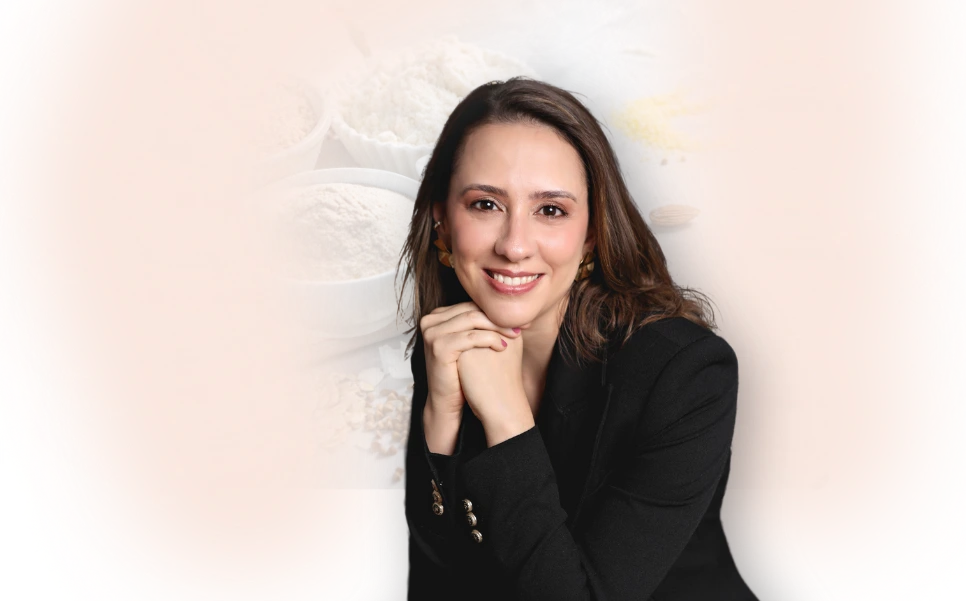
Especializada em doença celíaca, SIBO, doenças autoimunes e saúde da mulher. Celíaca há 9 anos. Atende 100% online para todo o Brasil.


