

Brazilian Nutritionist Online: Celiac Disease & Gut Health Specialist
Living abroad with celiac disease or gut health issues? Finding a nutritionist who truly understands Brazilian food culture and evidence-based clinical nutrition can feel impossible. That’s exactly why I offer online nutrition consultations to Brazilians and Portuguese speakers living anywhere in the world — and to anyone seeking specialized gut health support in English.
By Taissa Castello, Registered Dietitian CRN-4 25106120, specialized in celiac disease, SIBO, food allergies, and gut health.
Why a Brazilian Nutritionist for Celiac Disease?
Celiac disease affects approximately 1-2% of the global population (Rubio-Tapia et al., 2023). Yet dietary management isn’t one-size-fits-all — it’s deeply tied to food culture. If you grew up eating pão de queijo, tapioca, farofa, and açaí, your gluten-free diet should build on those naturally safe foods, not force you into an unfamiliar Western template of rice cakes and gluten-free bread that tastes like cardboard.
As a Brazilian nutritionist who is herself celiac, I bring a dual perspective that’s hard to find:
- Clinical expertise — trained in functional clinical nutrition, following ACG 2023 and ESsCD guidelines
- Cultural fluency — I understand Brazilian food, family dynamics around meals, and the specific challenges of eating gluten-free in Brazil or as a Brazilian abroad
- Lived experience — I was misdiagnosed for 9 years before getting my celiac diagnosis. I know the frustration, the doubt, and the relief of finally having answers
Who I Help
My patients typically fall into these categories:
- Brazilians living abroad (US, Europe, UK, Australia) who want a nutritionist who speaks Portuguese and understands their food culture
- Newly diagnosed celiacs struggling with the gluten-free diet transition
- SIBO/IBS patients who’ve been through multiple doctors without resolution
- Anyone with complex food allergies or multiple intolerances seeking evidence-based guidance
- Women with autoimmune conditions (Hashimoto’s, endometriosis) looking for anti-inflammatory nutrition support
My Specialties
Celiac Disease
From diagnosis support to long-term nutritional recovery. I help with: strict gluten-free diet implementation, cross-contamination prevention, nutrient deficiency correction (iron, B12, calcium, vitamin D — common in celiacs), and navigating social situations. My approach follows the ACG 2023 Clinical Guidelines and Brazil’s PCDT 2025 protocol.
SIBO & IMO (Intestinal Methanogen Overgrowth)
SIBO is frequently misdiagnosed as IBS. I work with patients on: breath test interpretation, dietary protocols (Low FODMAP, elemental, biphasic), antimicrobial nutrition support, prokinetic strategies, and — critically — relapse prevention. Based on the North American Consensus 2020 and ACG Clinical Guideline.
Food Allergies & Intolerances
Cow’s milk protein allergy (CMPA), lactose intolerance, multiple food allergies, histamine intolerance, and food chemical sensitivities. I design elimination protocols that are nutritionally complete — not just “avoid everything.”
How Online Consultations Work
Everything happens via video call (Google Meet or Zoom), regulated under Brazilian telehealth law (CFN Resolution 760/2023). Here’s the process:
Reconheceu sua situação neste artigo?
Atendo online para todo o Brasil. Agende sua avaliação inicial e comece o acompanhamento especializado.
Agendar consulta- Schedule — message me on WhatsApp or email. I’ll send available time slots adjusted to your timezone.
- First consultation (50-60 min) — full clinical history, dietary assessment, lab review, and initial guidance.
- Personalized plan — within 7 days you receive your individualized nutrition plan with meal suggestions, supplement recommendations if needed, and educational materials.
- Follow-up — typically 30-45 days later. We track progress, adjust the plan, and work toward your food autonomy.
What Makes My Approach Different
- Evidence-based — I follow current clinical guidelines (ACG, ESsCD, PCDT), not trends
- Functional perspective — I look at root causes, not just symptoms
- Culturally aware — your diet plan won’t ignore your food background
- No restrictive dogma — the goal is food freedom within your medical needs, not fear-based eating
- Bilingual — Portuguese and English, no language barrier
Frequently Asked Questions
Can you work with my local doctor or gastroenterologist?
Absolutely, and this kind of collaboration is a normal part of how I work with international and expat patients. I regularly coordinate with physicians and gastroenterologists in Brazil and internationally, since nutrition care for conditions like celiac disease, SIBO, or autoimmune disorders works best as part of a broader care team rather than in isolation. After our consultations, I can provide detailed clinical nutrition reports summarizing your history, dietary patterns, and recommendations, written in a format your doctor can use to inform ongoing treatment decisions. This is particularly useful if you’re managing care across two countries, seeing a specialist only periodically, or want your medical team fully informed about the dietary side of your plan. I’m also happy to communicate directly with your physician’s office when appropriate and with your consent. If you already have a diagnosis or are under investigation, bringing that context to our first session helps me tailor recommendations that complement your medical care.
Is this covered by insurance?
I work on a private-pay basis, which means you pay directly for consultations rather than billing insurance at the time of service. That said, many patients seek partial reimbursement afterward: I provide detailed, itemized receipts for every session that you can submit to your health insurance provider for potential out-of-network reimbursement. Whether this is possible, and how much comes back to you, depends entirely on your specific insurance plan — some plans offer generous out-of-network nutrition or dietitian benefits, while others offer none at all, so it’s worth checking your policy’s terms directly with your insurer before booking if reimbursement is a deciding factor for you. This private-pay structure also has a practical upside: it means our sessions aren’t constrained by insurance-mandated visit limits, narrow diagnosis codes, or session length restrictions, so we can spend the time actually needed to address complex, overlapping issues like celiac disease, SIBO, and autoimmune conditions properly, rather than fitting your care into a generic template.
I don’t speak Portuguese — can you still help?
Yes, absolutely — you don’t need to speak any Portuguese to work with me. I conduct consultations fully in English for international and expat patients, and my clinical expertise, assessment process, and quality of care are exactly the same regardless of which language we use together. Many of my English-speaking patients are expats living in Brazil, Brazilians living abroad who feel more comfortable discussing health topics in English, or international patients seeking specialized support for celiac disease, SIBO, gut health, or autoimmune nutrition that can be harder to find locally. Consultations happen over video call, which means location and language are rarely a real barrier once we’re both online together. If helpful, I can also provide written summaries, meal plans, and clinical reports in English so that everything from our sessions is fully accessible to you and easy to share with your local doctor if needed. Feel free to reach out with any language-related questions before booking your first consultation.
What if I’m not sure I have celiac disease?
That’s a completely reasonable place to start, and you’re far from alone — many patients come to me with symptoms that raise suspicion of celiac disease but no formal diagnosis yet. In our consultation, I can help you understand which of your symptoms and history are consistent with celiac disease versus other conditions like non-celiac gluten sensitivity, wheat allergy, or IBS, and guide you toward appropriate next steps. If you’re still eating gluten regularly, this matters for testing accuracy, since going gluten-free before testing can cause a false-negative result — so we’d discuss whether serological antibody testing or a referral to a gastroenterologist for further evaluation makes sense before you change your diet at all. I won’t diagnose celiac disease myself, since that requires blood tests and typically an endoscopic biopsy performed and interpreted by a physician, but I can help you navigate the process, prepare the right questions for your doctor, and build a nutrition plan once you have clarity on your diagnosis.
Ready to Get Started?
Book your online nutrition consultation today:
Or email: taissacast@gmail.com
References
- Rubio-Tapia A, et al. ACG Clinical Guideline: Diagnosis and Management of Celiac Disease. Am J Gastroenterol. 2023;118(1):59-76.
- Al-Toma A, et al. European Society for the Study of Coeliac Disease (ESsCD) guideline. United European Gastroenterol J. 2019;7(5):583-613.
- Brasil. Protocolo Clínico e Diretrizes Terapêuticas da Doença Celíaca (PCDT). Ministério da Saúde, 2025.
- Pimentel M, et al. ACG Clinical Guideline: Small Intestinal Bacterial Overgrowth. Am J Gastroenterol. 2020;115(2):165-178.
- Conselho Federal de Nutricionistas. Resolução CFN nº 760/2023 — Teleconsulta em Nutrição.
Medical disclaimer: This content is for educational purposes and does not replace individualized medical advice. Always consult a qualified healthcare professional for diagnosis and treatment decisions.
Última revisão por Taissa Castello, nutricionista CRN-4 25106120, em 10/07/2026.
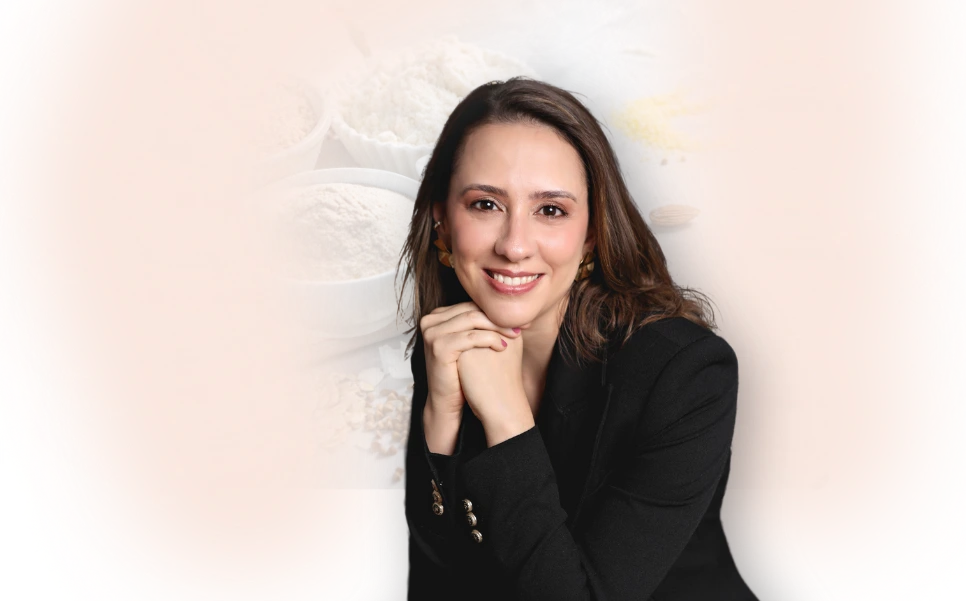
Especializada em doença celíaca, SIBO, doenças autoimunes e saúde da mulher. Celíaca há 9 anos. Atende 100% online para todo o Brasil.


