
Celiac Disease, Fertility and Pregnancy: Complete Guide
One of the most under-discussed aspects of celiac disease is its impact on fertility and pregnancy. Recurrent miscarriage, unexplained infertility, low birth weight, and preterm delivery have all been linked to untreated celiac disease in a growing body of literature. The good news: when celiac disease is diagnosed and properly managed with a strict gluten-free diet, most of these risks normalize — often within one to two years. This guide explains what the evidence shows, what to test for, and how to approach preconception and pregnancy nutrition when celiac disease is part of the picture.
By Taissa Castello, registered nutritionist CRN-4 25106120, specialized in celiac disease, food allergies, and women’s nutrition.
Why celiac disease affects fertility
🌐 English audio available — click ⚙️ in the player → Audio track → English
Celiac disease is an autoimmune condition in which gluten triggers damage to the small intestinal lining, producing malabsorption of nutrients critical for reproductive health — iron, folate, vitamin B12, vitamin D, zinc, and selenium. Untreated celiac disease is also a state of chronic systemic inflammation and autoimmune activity, both of which influence ovulation, endometrial receptivity, implantation, and placental function (Tersigni et al., 2014).
A meta-analysis of case-control studies found that women with unexplained infertility have a 3.5-fold higher prevalence of celiac disease compared with fertile controls, and women with recurrent pregnancy loss have similarly elevated rates (Castaño et al., 2019). The pattern is consistent enough that multiple guidelines now recommend screening for celiac disease in the workup of unexplained infertility and recurrent miscarriage.
“Infertility has many dimensions — sometimes even at the intestinal level. Lifestyle, diet, sedentarism, obesity all significantly increase infertility. Through nutritional management we can map what is happening in that body so we can reorganize in phases, so this woman can improve her lifestyle, improve her conditions.”
— Taissa Castello, PodIgest Ep. 8
Reproductive complications associated with untreated celiac disease
- Infertility — including unexplained infertility in the absence of obvious causes
- Delayed menarche and early menopause — shortening the overall reproductive window
- Recurrent pregnancy loss — particularly in the first trimester
- Intrauterine growth restriction (IUGR) — low birth weight for gestational age
- Preterm delivery
- Low breast milk volume and shorter lactation duration
- Male fertility issues — reduced sperm quality, lower testosterone, in untreated men
It is worth repeating: the evidence for these associations specifically concerns untreated celiac disease. Women who are diagnosed and adherent to a strict gluten-free diet for 12-24 months show normalization of most of these risks to rates comparable to the general population (Tersigni et al., 2014).
Who should be screened for celiac disease?
Per current ACG 2023 and ESsCD guidelines, screening for celiac disease (with anti-tTG IgA plus total IgA while still eating gluten) is recommended for:
- Women with unexplained infertility
- Women with two or more unexplained pregnancy losses
- Couples preparing for IVF or ART when other workup is unrevealing
- Women with iron-deficiency anemia not responding to supplementation
- First-degree relatives of celiac patients
- Anyone with another autoimmune condition (type 1 diabetes, Hashimoto’s, vitiligo)
If you have already eliminated gluten, the antibody-based tests lose sensitivity rapidly. Genetic testing (HLA-DQ2/DQ8) can rule out celiac disease if negative, but cannot confirm it. When in doubt, speak to your physician about a supervised gluten challenge before retesting.
Preconception nutrition for women with celiac disease
1. Confirm mucosal recovery, not just symptom resolution
Most guidelines recommend at least 12 months of strict gluten-free diet before actively trying to conceive when possible — and ideally confirmation of serologic normalization (anti-tTG IgA back to negative or trending down to normal). Histologic recovery (villi regrowth on biopsy) may take longer — up to 2 years in adults — but is associated with the best reproductive outcomes.
2. Screen and correct nutrient deficiencies before pregnancy
- Iron (ferritin, not just hemoglobin) — target ferritin >30-50 ng/mL before conception
- Folate (RBC folate) — supplement with 400-800 mcg/day, starting at least 3 months preconception; some guidelines recommend methylfolate in celiac patients
- Vitamin B12 — commonly low in celiac; correct deficiency pre-pregnancy
- Vitamin D — target above 30 ng/mL, ideally 30-60 ng/mL (SBEM/SBPC-ML, 2020)
- Zinc, selenium, iodine — assess and correct if low
- Calcium — ensure adequate intake and bone density evaluation if history of osteopenia
3. Address co-existing conditions
Thyroid function matters for fertility and pregnancy. Because Hashimoto’s thyroiditis frequently co-occurs with celiac disease, a pre-pregnancy thyroid panel (TSH, free T4, anti-TPO) is wise. See Hashimoto’s and gluten for the autoimmune crossover.
During pregnancy — the non-negotiables
Pregnancy is the time when gluten-free diet adherence becomes most important, not least. Unfortunately, it is also the time when cravings, aversions, reduced cooking energy, and increased reliance on convenience foods make accidental gluten exposure more likely. A thoughtful nutritional plan is essential.
- Strict gluten-free compliance — this is not the time to relax
- Vigilance about cross-contamination — restaurants, family meals, shared kitchens
- Adequate caloric intake — gluten-free products are often lower in fiber and protein than their gluten-containing counterparts; build meals around naturally gluten-free whole foods (rice, quinoa, potatoes, beans, meat, fish, eggs, fruits, vegetables)
- Prenatal vitamin — certified gluten-free, containing folate (ideally methylfolate), iron, iodine, DHA
- Fiber intake — pregnancy constipation + gluten-free diet + possibly methane SIBO is a common stacking problem; prioritize fiber from vegetables, fruits, legumes, chia, flax
- Regular ferritin and vitamin D monitoring each trimester
“Pregnancy is a great hormonal milestone in a woman’s body and life. There is the gestational period, the postpartum — and all of that generates many hormonal oscillations. What we do with nutrition during this phase has consequences that last beyond the pregnancy itself.”
— Taissa Castello, PodIgest Ep. 8Reconheceu sua situação neste artigo?
Atendo online para todo o Brasil. Agende sua avaliação inicial e comece o acompanhamento especializado.
Agendar consulta
Postpartum and lactation
Untreated celiac disease has been associated with shorter lactation duration and lower breast milk volume. A well-controlled celiac patient can breastfeed successfully, but attention to maternal caloric intake, protein, fluids, iron, iodine, and vitamin B12 is especially important — the demands of lactation on top of the nutrient-absorption deficits of prior damage make this a high-risk window for recurrence of deficiencies.
If the baby is genetically at risk (mother or father celiac), current ESPGHAN guidance supports introducing gluten between 4-12 months, preferably while the infant is still breastfeeding, in small amounts. Early avoidance has not been shown to prevent celiac disease. Ask your pediatrician about current local recommendations.
Male celiac disease and fertility
This deserves its own mention because it is so often overlooked. Untreated celiac disease in men has been associated with reduced sperm motility, abnormal morphology, and lower testosterone — all of which typically improve on a strict gluten-free diet within 6-12 months (Farthing et al., 1983; more recent reviews in Tersigni et al., 2014). Couples facing unexplained infertility should consider screening both partners.
Frequently asked questions
Can I have a healthy pregnancy if I have celiac disease?
In most cases, yes. The reproductive risks linked to celiac disease — including recurrent miscarriage, low birth weight, and preterm delivery — are concentrated overwhelmingly in undiagnosed or untreated disease, where ongoing intestinal inflammation and nutrient malabsorption interfere with implantation and fetal growth. Once celiac disease is diagnosed and a strict gluten-free diet is followed consistently, research shows these risks trend toward rates comparable to the general population, particularly after 12 to 24 months of confirmed dietary adherence (Tersigni et al., 2014). This does not mean every pregnancy is risk-free — pregnancy carries baseline risks for everyone, celiac or not — but it does mean celiac disease itself, once well controlled, is not expected to be the deciding factor. What matters most is diet adherence, correcting nutrient deficiencies before conception, and coordinated prenatal care with your obstetrician and nutritionist, who can track your individual markers throughout pregnancy.
How long should I be on a gluten-free diet before trying to conceive?
Most current guidelines suggest at least 12 months of strict, consistent adherence to a gluten-free diet before actively trying to conceive, ideally with laboratory confirmation that antibody levels (anti-tTG IgA) have returned to normal or are trending clearly downward. This window matters because intestinal healing takes time: while symptoms often improve within weeks, the mucosal lining itself — and the nutrient absorption that depends on it — can take up to two years to fully recover in adults. If your antibody levels were very high at diagnosis, or if you had significant deficiencies in iron, folate, vitamin B12, or vitamin D, a longer preconception period is generally advisable to allow those levels to normalize first. This timeline is a general guideline, not a fixed rule, so the right moment to start trying is best determined together with your physician and nutritionist based on your own lab results and overall health.
Should I take a special prenatal vitamin if I am celiac?
Yes, choosing the right prenatal is worth extra attention when you have celiac disease. Look for one that is certified gluten-free, since some prenatal formulations use excipients or fillers that are not clearly labeled, and prioritize methylfolate over folic acid when possible, as celiac patients — especially those with the MTHFR genetic variant — may convert folic acid less efficiently. Beyond folate, adequate iron, iodine, vitamin D, and DHA are particularly important, since malabsorption from celiac disease commonly affects several of these nutrients even after starting a gluten-free diet. That said, a standard prenatal alone may not be enough to correct pre-existing deficiencies, and taking more than needed of certain nutrients, like iron or vitamin A, can also carry risks. The most reliable approach is to bring your recent bloodwork to a nutritionist or physician and decide together whether additional, individualized supplementation is needed on top of your prenatal.
What if I was diagnosed with celiac disease during pregnancy?
A celiac diagnosis during pregnancy calls for prompt action, but not panic. The first step is starting a strict gluten-free diet as soon as possible and bringing a nutritionist into your care team, since nutrient needs increase substantially during pregnancy and malabsorption compounds that demand. Iron, folate, vitamin B12, vitamin D, and calcium typically need closer monitoring and more assertive correction than in a standard pregnancy, and your prenatal care should be coordinated between your obstetrician and nutritionist for the remainder of the pregnancy. Many women do notice meaningful improvement in energy, digestive symptoms, and general wellbeing within weeks of removing gluten, though the pace and extent of that improvement varies from person to person. What the diet cannot do is reverse the pregnancy retroactively — its role going forward is to reduce ongoing inflammation and support better nutrient absorption for the rest of gestation, under close medical supervision.
Ready to take the next step?
If you are looking for specialized nutritional guidance, Taissa Castello offers teleconsultations via Google Meet for patients worldwide. Whether you live in Brazil or abroad, you can get expert, personalized support for your gut health, autoimmune condition, or food allergies — in English or Portuguese.
Or visit the booking page for more options.
References
- Tersigni C, Castellani R, de Waure C, et al. Celiac disease and reproductive disorders: meta-analysis of epidemiologic associations and potential pathogenic mechanisms. Hum Reprod Update. 2014;20(4):582-593.
- Castaño M, Gómez-Gordo R, Cuevas D, Núñez C. Systematic review and meta-analysis of prevalence of coeliac disease in women with infertility. Nutrients. 2019;11(8):1950.
- Rubio-Tapia A, Hill ID, Semrad C, et al. American College of Gastroenterology Guidelines Update: Diagnosis and Management of Celiac Disease. Am J Gastroenterol. 2023;118(1):59-76.
- Al-Toma A, Volta U, Auricchio R, et al. European Society for the Study of Coeliac Disease (ESsCD) guideline for coeliac disease and other gluten-related disorders. United European Gastroenterol J. 2019;7(5):583-613.
- Farthing MJ, Rees LH, Edwards CR, Dawson AM. Male gonadal function in coeliac disease. Gut. 1983;24(2):127-135.
- Szajewska H, Shamir R, Mearin L, et al. Gluten Introduction and the Risk of Coeliac Disease: A Position Paper by the ESPGHAN. J Pediatr Gastroenterol Nutr. 2016;62(3):507-513.
Medical Disclaimer: This article is for informational and educational purposes only. It does not replace individualized medical or nutritional advice, diagnosis, or treatment. Each person has unique needs that must be evaluated in a consultation. Do not start, change, or stop any treatment without guidance from a qualified healthcare professional. Taissa Castello is a registered nutritionist (CRN-4 25106120) and does not prescribe medications. Read our full disclaimer.
Última revisão por Taissa Castello, nutricionista CRN-4 25106120, em 11/07/2026.
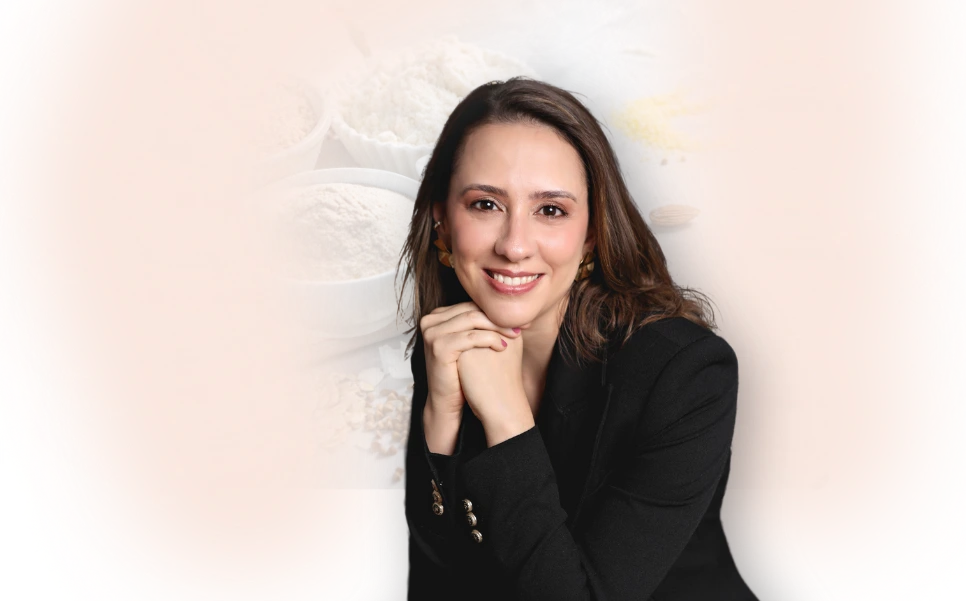
Especializada em doença celíaca, SIBO, doenças autoimunes e saúde da mulher. Celíaca há 9 anos. Atende 100% online para todo o Brasil.