
Hashimoto’s Thyroiditis and Gluten: The Autoimmune Crossover
If you have been diagnosed with Hashimoto’s thyroiditis, there is a conversation your endocrinologist may not have started with you — the possible role of gluten, the gut, and nutrition in shaping the course of your disease. Hashimoto’s is not just “low thyroid.” It is an autoimmune condition, which means the rules of immune regulation — and everything that shapes them, including what you eat — matter. In this article I walk you through what the evidence actually says about Hashimoto’s and gluten, why the celiac/Hashimoto overlap is real, and how targeted nutrition can support medication, not replace it.
By Taissa Castello, registered nutritionist CRN-4 25106120, specialized in autoimmune conditions, celiac disease, and gut health.
What is Hashimoto’s thyroiditis?
Hashimoto’s thyroiditis — also called chronic autoimmune thyroiditis — is the most common cause of hypothyroidism in iodine-sufficient parts of the world. The immune system produces antibodies (anti-thyroid peroxidase, anti-TPO; and anti-thyroglobulin, anti-TG) that attack the thyroid gland, gradually reducing its capacity to produce thyroid hormones (Caturegli et al., 2014). Over time, this leads to the clinical picture of fatigue, weight gain, cold intolerance, constipation, dry skin, hair loss, brain fog, and low mood.
Standard treatment is levothyroxine replacement, titrated to normalize TSH and free T4 — and for most patients, this is essential and non-negotiable. But patients frequently report that even when their lab values are “in range,” they do not feel fully well. This is where the conversation about nutrition, gut health, and immune modulation becomes clinically important.
Why the immune system attacks itself — the autoimmunity framework
Autoimmunity does not happen in a single moment. It unfolds along a predictable pathway: genetic predisposition + environmental triggers + intestinal barrier dysfunction → loss of immune tolerance → autoimmune disease (Fasano, 2012). This three-factor model — sometimes called the “three legs of the autoimmune stool” — is now widely accepted in the literature and it explains why two people with the same genetics can have radically different outcomes.
“We used to think: you were born with the disease gene, you will develop it. You have the predisposition — that is not a destiny. Through epigenetics we need to think of the gene as a switch. You have the light switch in your hand, on or off. Through your lifestyle, through your nutrition, you have the ability to turn that gene on or off.”
— Taissa Castello, PodIgest Ep. 2
This is why the nutrition conversation matters. You cannot change your genetics. You can change the environment those genes operate in — and that environment is substantially shaped by diet, the gut microbiome, and the integrity of the intestinal barrier.
The celiac disease / Hashimoto’s overlap
The association between celiac disease and Hashimoto’s is not a wellness blog invention — it is one of the best-documented autoimmune co-occurrences in the literature. Patients with autoimmune thyroid disease have a 3-4 fold increased risk of celiac disease compared with the general population, and vice versa (Sategna-Guidetti et al., 2001; Ch’ng et al., 2007). Both conditions share HLA-DQ2/DQ8 genetic susceptibility, and untreated celiac disease can interfere with levothyroxine absorption — leading to unexplained dose escalations.
Clinical implication: every patient newly diagnosed with Hashimoto’s should be screened for celiac disease with anti-tTG IgA and total IgA, while still eating gluten. And every patient with celiac disease should have thyroid antibodies checked. This is not “functional medicine” — it is current ACG 2023 and ESsCD guidance (Rubio-Tapia et al., 2023).
What about non-celiac gluten sensitivity and Hashimoto’s?
This is where the evidence is more nuanced — and honest clinicians should acknowledge that. A subset of Hashimoto’s patients who test negative for celiac disease still report improvement in symptoms and sometimes in antibody levels when they adopt a gluten-free diet. A small randomized trial by Krysiak et al. (2019) showed that a gluten-free diet reduced anti-TPO antibody titers in women with Hashimoto’s over 6 months. Other studies have been less conclusive.
My honest clinical position: if a Hashimoto’s patient without celiac disease wants to try a structured 3-6 month gluten elimination with reintroduction, it is a reasonable experiment — as long as it is done with professional support to avoid nutritional gaps and to use objective markers (symptoms, TPO antibodies, TSH) to judge the result. A gluten-free diet should never be started casually and indefinitely, because it complicates any future celiac diagnosis (the antibodies normalize rapidly).
Intestinal permeability and autoimmunity
The intestinal barrier is a single-cell-thick wall that separates your bloodstream from the contents of your gut. When this barrier becomes more permeable than it should be — a phenomenon sometimes called “leaky gut” in popular media and “increased intestinal permeability” in the scientific literature — fragments of bacteria and incompletely digested proteins can cross into circulation and trigger immune activation (Fasano, 2012).
“When we keep eating processed foods, sugar, ultra-processed foods, gluten — they create cracks in this barrier. The cells start detaching. And then everything starts getting into the bloodstream: bacteria, protein fragments. Our immune system does not recognize those substances and it starts activating to fight them. At a certain point, it is always being bombarded with these foreign substances, and it starts attacking similar proteins in our own body.”
— Taissa Castello, PodIgest Ep. 2
This mechanism — molecular mimicry — is one of the leading candidate explanations for why autoimmune diseases cluster together and why barrier repair is a reasonable therapeutic target.
Reconheceu sua situação neste artigo?
Atendo online para todo o Brasil. Agende sua avaliação inicial e comece o acompanhamento especializado.
Agendar consultaNutritional priorities for Hashimoto’s
1. Screen for and correct nutrient deficiencies
- Selenium — cofactor for glutathione peroxidase in the thyroid; 200 mcg/day of selenomethionine has been shown to reduce anti-TPO antibodies in multiple trials (Toulis et al., 2010)
- Iron (ferritin) — required for thyroid hormone synthesis; low ferritin worsens hypothyroid symptoms
- Vitamin D — immune modulator; deficiency is more common in autoimmune thyroid patients
- Zinc — required for T4-to-T3 conversion
- Vitamin B12 — commonly low; particularly in patients with autoimmune gastritis (another frequent co-occurrence)
- Iodine — required for thyroid hormone synthesis, but excess iodine can worsen Hashimoto’s. Supplement only with lab evidence of deficiency
2. Address the gut
Hashimoto’s patients are more likely to have SIBO, celiac disease, H. pylori infection, and gut dysbiosis. Treating these when present often improves both symptom burden and sometimes medication requirements. Methane-dominant SIBO is particularly common in hypothyroid patients because of slowed motility — see SIBO: complete guide.
3. Anti-inflammatory, nutrient-dense foundation
- Vegetables — especially cruciferous in cooked form (well-tolerated contrary to older myths)
- Fatty fish — omega-3 for immune regulation
- Adequate protein — 1.0-1.2 g/kg/day minimum to support repair and satiety
- Whole grains (gluten-free if celiac or trial-eliminating) — fiber for microbiome diversity
- Fermented foods — for microbiome support, if tolerated
- Reduced ultra-processed foods — the primary dietary driver of barrier dysfunction
4. Medication timing matters
Levothyroxine absorption is reduced by calcium, iron, coffee, soy, and high-fiber meals when taken together. The standard recommendation — take it on an empty stomach first thing in the morning, then wait 30-60 minutes before eating or drinking anything other than water — has real physiological basis. Do not skip this detail.
Nutrition does not replace your medication
I want to be direct about this: nutritional support for Hashimoto’s is complementary to, not a replacement for, appropriate thyroid hormone replacement. Stopping levothyroxine without medical supervision is dangerous. Adequate medication combined with targeted nutrition and gut work is what produces the best outcomes in my clinical experience.
“Taking only medication for any kind of autoimmune disease will medicate but will not treat. Nutrition comes in as a support so you can really live better — because sometimes only medication will not be enough to control the disease. There is no point in treating the symptom if the aggressor keeps entering the bloodstream every meal.”
— Taissa Castello, PodIgest Ep. 2
Frequently asked questions
Do I need to go gluten-free if I have Hashimoto’s but not celiac?
Not automatically. The first and most important step for anyone newly diagnosed with Hashimoto’s is screening for celiac disease with anti-tTG IgA and total IgA while still eating gluten, since the two conditions overlap far more often than chance would predict — autoimmune thyroid patients have roughly a 3 to 4-fold higher risk of celiac disease than the general population. If celiac disease is confirmed, a strict, lifelong gluten-free diet becomes mandatory, the same as for any celiac patient. If celiac disease is ruled out, gluten-free eating is not a required part of Hashimoto’s management, though some patients choose to trial a structured, time-limited elimination — typically 3 to 6 months with reintroduction — to see whether symptoms or antibody levels change. This kind of trial should be done with a nutritionist or physician involved, using objective markers rather than assumption, and it should never replace or delay thyroid hormone treatment prescribed by your endocrinologist.
Can I reduce TPO antibodies with diet alone?
Sometimes, but not predictably, and diet alone should not be the goal. Some patients do see meaningful reductions in anti-TPO antibody titers with targeted interventions — correcting selenium and vitamin D deficiencies has shown benefit in several clinical trials, and a small randomized trial found that a gluten-free diet lowered antibody levels in some women with Hashimoto’s over six months. Other patients follow the same steps and see little to no change in their antibody numbers, which reflects how individualized autoimmune disease activity can be. It also matters what “success” means here: the clinical goal of Hashimoto’s management is symptom control, quality of life, and stable thyroid function — not chasing a specific antibody number, since antibody levels do not always track cleanly with how a person feels or functions day to day. Diet and lifestyle changes are best framed as supportive tools alongside levothyroxine, not a substitute for it, and any changes are worth discussing with your endocrinologist or nutritionist.
Are cruciferous vegetables bad for the thyroid?
For most people, no — this is largely an outdated concern based on older animal studies and extrapolation, not on how people actually eat. Cruciferous vegetables like broccoli, kale, cauliflower, and cabbage contain compounds called goitrogens, which can theoretically interfere with iodine uptake by the thyroid, but this effect requires very large, typically raw and blended quantities rarely seen in normal cooking, and cooking itself substantially reduces goitrogen activity. In iodine-sufficient individuals eating culinarily normal portions of cooked cruciferous vegetables, there is no meaningful impact on thyroid function. These vegetables also bring real nutritional benefits — fiber, antioxidants, and compounds with anti-inflammatory properties that support overall gut and immune health, both relevant in Hashimoto’s. The exception worth flagging is severe, uncorrected iodine deficiency combined with very high raw cruciferous intake, which is uncommon in most modern diets. For most Hashimoto’s patients, there is no reason to avoid these vegetables, and cooking them is an easy extra precaution.
What about the Autoimmune Protocol (AIP) diet?
The AIP diet is a highly restrictive elimination protocol that removes grains, legumes, dairy, eggs, nightshades, nuts, seeds, and several other food groups, with the idea of reducing potential inflammatory triggers before gradually reintroducing them one at a time. The evidence base is still preliminary — most existing studies are small, short, and focused on inflammatory bowel disease rather than Hashimoto’s specifically, so its benefit for thyroid autoimmunity is not well established. Because it eliminates so many food groups at once, AIP carries a real risk of nutritional gaps and can be difficult to sustain, which is why it is generally not recommended as a first-line approach for most Hashimoto’s patients. If someone does want to try it, it works best as a short, structured trial — a matter of weeks, not an indefinite lifestyle — done with professional supervision to monitor nutrient intake and guide reintroduction, and always alongside, never instead of, appropriate thyroid medication.
Ready to take the next step?
If you are looking for specialized nutritional guidance, Taissa Castello offers teleconsultations via Google Meet for patients worldwide. Whether you live in Brazil or abroad, you can get expert, personalized support for your gut health, autoimmune condition, or food allergies — in English or Portuguese.
Or visit the booking page for more options.
References
- Caturegli P, De Remigis A, Rose NR. Hashimoto thyroiditis: clinical and diagnostic criteria. Autoimmun Rev. 2014;13(4-5):391-397.
- Fasano A. Leaky gut and autoimmune diseases. Clin Rev Allergy Immunol. 2012;42(1):71-78.
- Sategna-Guidetti C, Volta U, Ciacci C, et al. Prevalence of thyroid disorders in untreated adult celiac disease patients and effect of gluten withdrawal. Am J Gastroenterol. 2001;96(3):751-757.
- Ch’ng CL, Jones MK, Kingham JG. Celiac disease and autoimmune thyroid disease. Clin Med Res. 2007;5(3):184-192.
- Rubio-Tapia A, Hill ID, Semrad C, et al. American College of Gastroenterology Guidelines Update: Diagnosis and Management of Celiac Disease. Am J Gastroenterol. 2023;118(1):59-76.
- Krysiak R, Szkróbka W, Okopień B. The effect of gluten-free diet on thyroid autoimmunity in drug-naïve women with Hashimoto’s thyroiditis: a pilot study. Exp Clin Endocrinol Diabetes. 2019;127(7):417-422.
- Toulis KA, Anastasilakis AD, Tzellos TG, et al. Selenium supplementation in the treatment of Hashimoto’s thyroiditis: a systematic review and a meta-analysis. Thyroid. 2010;20(10):1163-1173.
Medical Disclaimer: This article is for informational and educational purposes only. It does not replace individualized medical or nutritional advice, diagnosis, or treatment. Each person has unique needs that must be evaluated in a consultation. Do not start, change, or stop any treatment without guidance from a qualified healthcare professional. Taissa Castello is a registered nutritionist (CRN-4 25106120) and does not prescribe medications. Read our full disclaimer.
Última revisão por Taissa Castello, nutricionista CRN-4 25106120, em 10/07/2026.
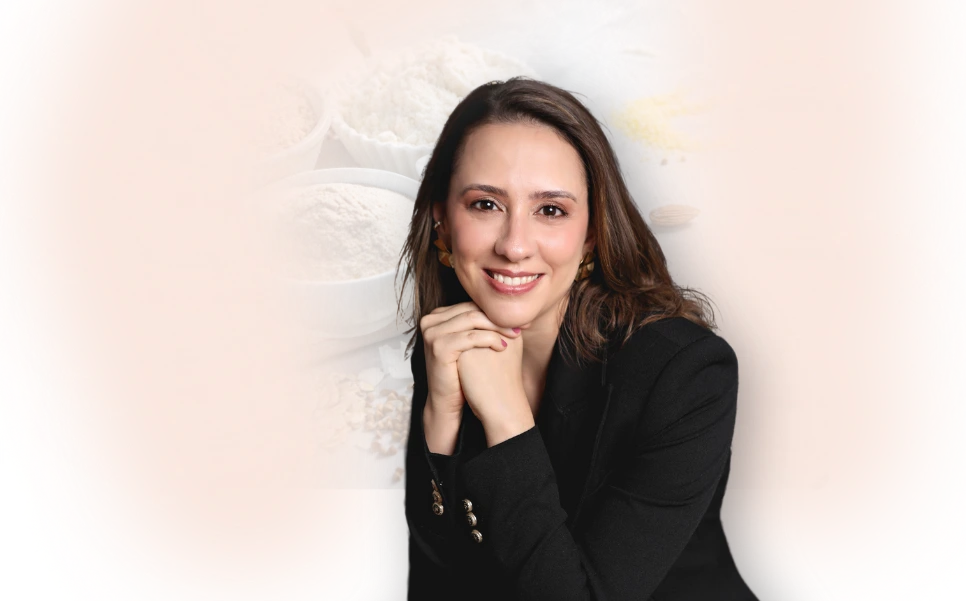
Especializada em doença celíaca, SIBO, doenças autoimunes e saúde da mulher. Celíaca há 9 anos. Atende 100% online para todo o Brasil.